Iran Warns Six Neighbors Not to Back US After Trump Threatens Action
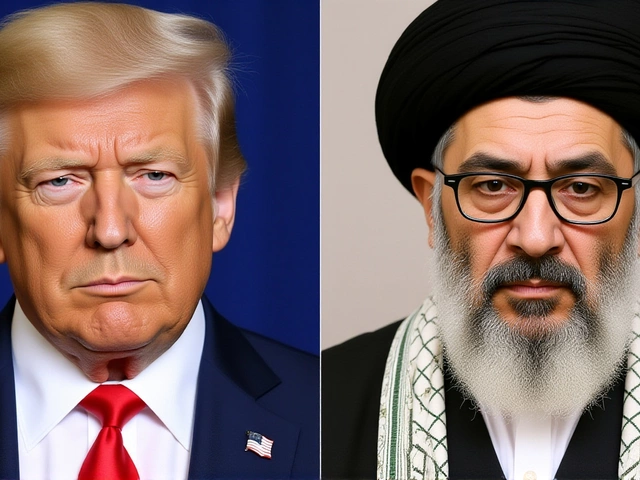
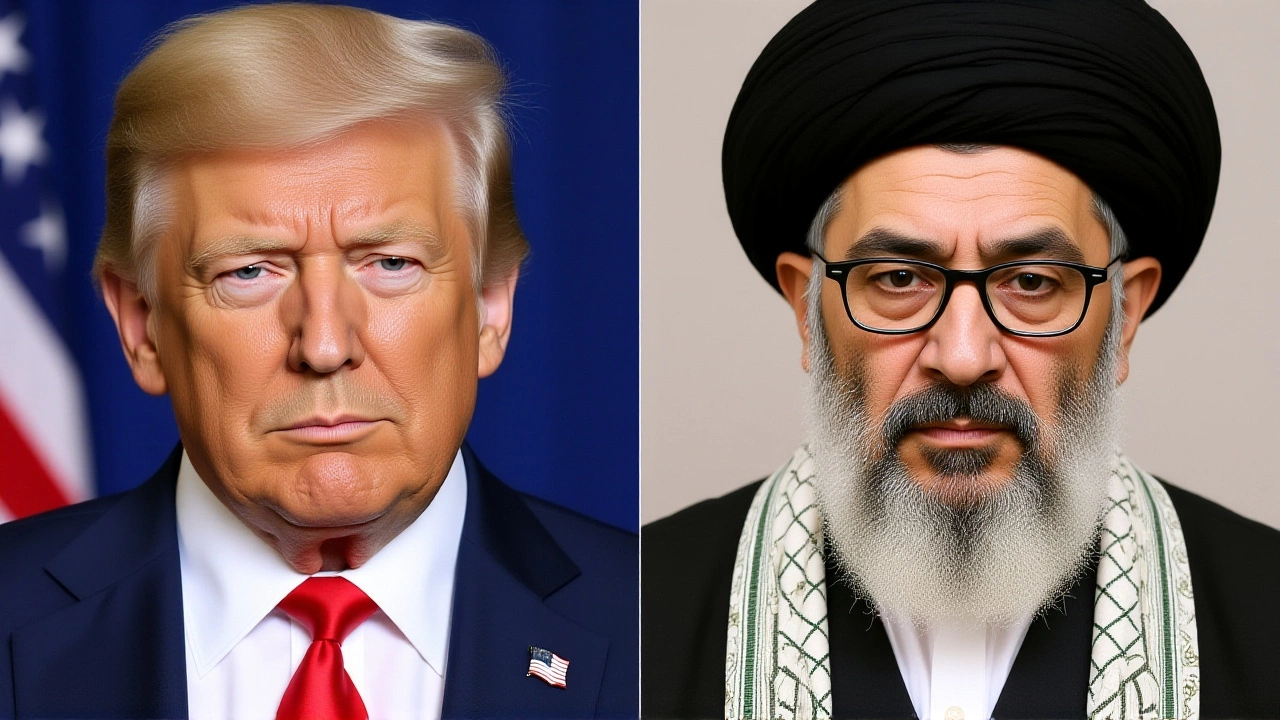
Iran warned six neighboring Muslim states on 8 April 2025 not to aid the U.S. after Trump threatened action, raising fears of a wider Middle East conflict.
When working with Donald Trump, the 45th President of the United States, a former real‑estate mogul and a constant media figure. Also known as Trump, it continues to shape discussions in politics, media and global economics, you instantly step into a mix of Business, Media and Politics. Donald Trump drives headlines, moves markets and fuels election debates, making every angle worth a closer look.
The first semantic link is simple: Donald Trump influences business decisions. His brand extensions, real‑estate deals and policy stances send ripples through stock markets, as seen in the recent Tata Motors demerger story that got heavy coverage. The second link is that media coverage amplifies political narratives. Platforms from TV news to social feeds scramble to report every tweet, turning a single statement into a nationwide discussion. The third link shows that politics shapes economic trends; election outcomes affect trade agreements, tax policies, and investor confidence. Together these triples form the backbone of our tag collection.
Business as an entity carries attributes like market impact, branding power and regulatory risk. In the Trump context, market impact appears when his remarks cause immediate stock swings – think of the classic “Trump tweet effect”. Branding power shows up in product lines that carry his name, from steaks to hotels. Regulatory risk surfaces when policy changes affect industries he once owned. Understanding these attributes helps readers see why a corporate story like a demerger matters beyond the balance sheet.
Media, on the other hand, is defined by reach, platform diversity and audience engagement. Trump’s use of Twitter illustrates reach: a single post can dominate global headlines. Platform diversity shows up when his statements trend across TV, podcasts and YouTube. Audience engagement spikes when his rallies or interviews trigger live‑talk show debates. These media traits explain why a guide on blocking e‑paper ads feels relevant – it’s about controlling the flow of information that politicians like Trump try to dominate.
Politics brings in policy, public opinion and election cycles. Trump’s policy agenda – from tax cuts to immigration rules – directly influences business environments and media narratives. Public opinion, measured through polls, often shifts after a high‑profile speech, affecting both market sentiment and media framing. Election cycles create a recurring spotlight, making each campaign a case study for media tactics and business lobbying. Our posts on project pitching at film festivals, for example, mirror how cultural events become political battlegrounds during election years.
Even technology topics fit the pattern. A phone comparison article between the MI A2 and Redmi Note 5 Pro touches on consumer tech trends, which Trump’s trade policies frequently target. When tariffs rise, smartphone manufacturers adjust pricing, and media outlets dissect those moves. This demonstrates how a seemingly unrelated gadget review still connects back to the larger Trump‑centered ecosystem of business and media.
Financial news, like the Tata Motors demerger, illustrates the business‑media‑politics triangle in action. The split was driven by market strategy (business), reported extensively in business news portals (media), and occurred under a political climate that encourages private sector restructuring (politics). Readers who follow Trump’s economic statements will find this example a concrete illustration of his indirect influence on corporate strategies.
Culture and entertainment also feel the ripple. Articles on the economics of film festivals reveal how sponsorship deals and government grants shape festival budgets. When a political figure like Trump endorses or criticizes a cultural product, media coverage spikes and funding can shift, impacting the festival’s financial health. The link between political endorsement and cultural economics is a subtle but real part of the larger picture.
Public service topics, such as how to block ads on e‑papers, tie back to media control. Trump’s era saw increased scrutiny of online advertising, platform algorithms and misinformation. Understanding ad‑blocking tools empowers readers to curate their own media diet, a skill increasingly valuable when political messaging floods the internet.
All these threads converge on the central idea that Donald Trump serves as a catalyst across sectors. Whether you’re interested in market moves, media tactics, or policy shifts, the articles below provide real‑world examples that illustrate each connection. Dive in to see how business decisions, media strategies, and political maneuvers intertwine in today’s fast‑paced landscape.
Iran warned six neighboring Muslim states on 8 April 2025 not to aid the U.S. after Trump threatened action, raising fears of a wider Middle East conflict.