
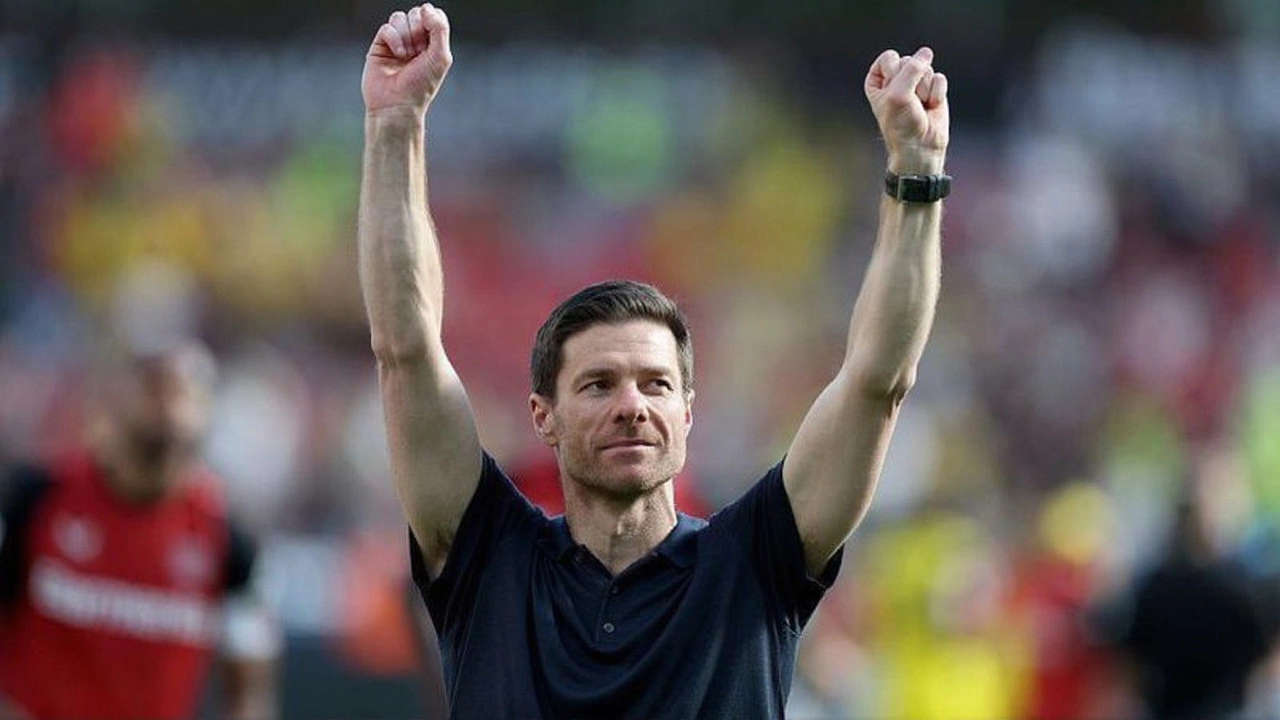
On November 24, 2025, at Real Madrid City in Valdebebas, Madrid, 25-year-old Brazilian superstar Vinicius José Paixão de Oliveira Júnior delivered a chilling ultimatum to Florentino Pérez Rodríguez, president of Real Madrid Club de Fútbol: "Xabi Alonso or me." The message, delivered during a closed-door meeting at 2:00 PM CET, wasn’t a request. It was a choice. And it’s now the most explosive crisis in the club’s modern history.
The Breaking Point
The tension didn’t erupt overnight. It simmered since early October 2025, after a 2-1 loss to CA Osasuna at Estadio El Sadar in Pamplona. According to a source inside the dressing room, club management privately told Vinicius he "gave up when things were going badly." That stung. Not because it was untrue — but because it ignored how often he carried the team on his back. By mid-November, Xabi Alonso Arbeloa, Real Madrid’s head coach since July 1, 2024, had benched him in back-to-back UEFA Champions League matches at Estadio Santiago Bernabéu. No injury. No tactical shift. Just silence. And then, on November 24, Vinicius walked into Pérez’s office and made it clear: if Alonso stays, he’s gone.Who’s Really in Charge?
This isn’t just about a player’s ego. It’s about power. Pérez, 78, has run Real Madrid since 2009, building a dynasty on star power and financial muscle. But now, he’s caught between two titans: the club’s most electric talent, who scored 97 goals in 298 appearances and earns €12 million net annually, and the coach he personally recruited after Alonso’s undefeated run with Bayer 04 Leverkusen. The irony? Alonso, 43, was supposed to be the modernizer — the thinker who’d elevate Real Madrid beyond mere star-studded spectacle. Instead, he’s become the lightning rod for a player who sees his legacy slipping away.Footboom1 reported that Vinicius is reportedly seeking a salary to rival Kylian Mbappé’s €25 million net per year — a demand that puts pressure on UEFA’s Financial Fair Play rules. But the money, as one insider put it, "isn’t the point anymore." It’s about respect. About being seen. About not being treated like a commodity to be rotated when results dip.
The Ripple Effect
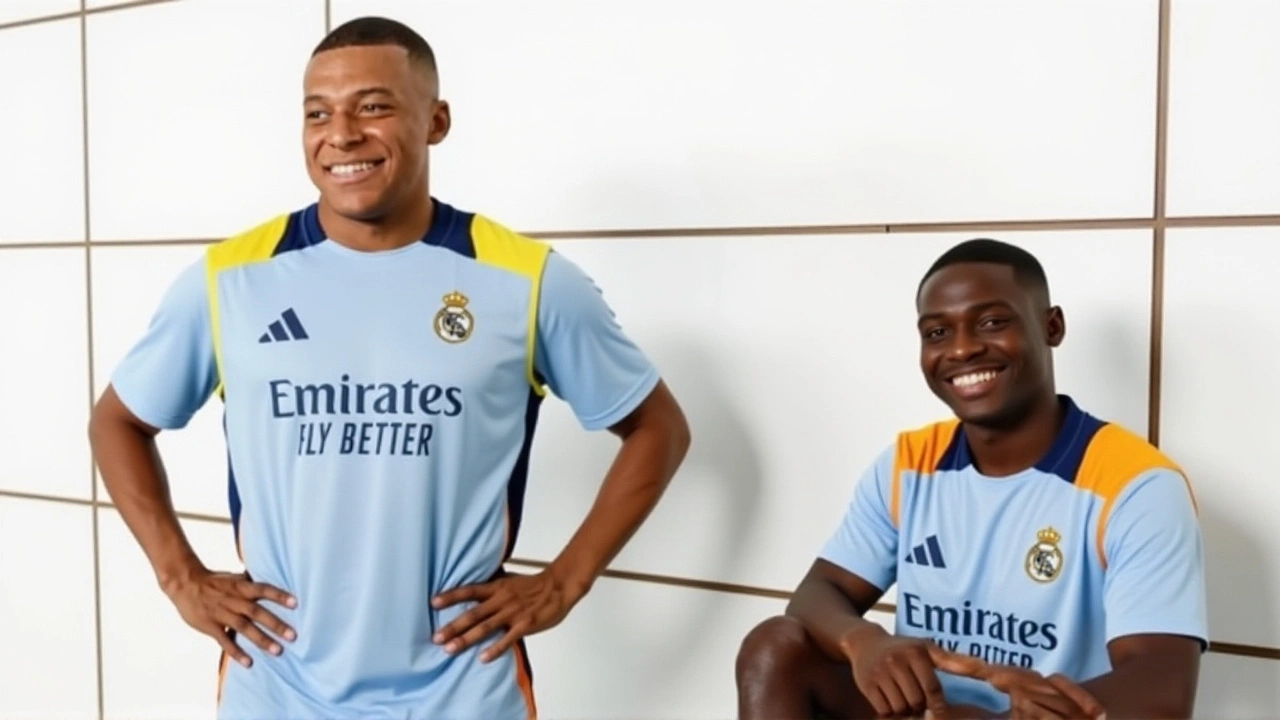
The fallout is already visible. Carlos Fernández, a Madrid-based analyst for Footboom1, noted: "This ongoing clash is starting to affect his game, dulling the sharpness that defined his rise." And it’s not just Vinicius. Sources inside the dressing room say morale is fraying. Players who once celebrated his dribbles now whisper about "division." With 30,000 season-ticket holders at the Bernabéu watching every misstep, the pressure isn’t just on the pitch — it’s in the stands, on social media, in the boardroom.And Pérez? He’s not sitting still. Fichajes.net revealed he issued his own ultimatum to Alonso on the same day — citing "three setbacks that erased the euphoria" from recent wins. No details were given. But the timing speaks volumes: Pérez is playing both sides. He’s not ready to fire Alonso yet. But he’s also not ready to lose Vinicius.
What Happens Next?
An emergency board meeting is scheduled for November 26, 2025, at 10:00 AM CET at Real Madrid City. Pérez must decide: does he side with the coach who brought tactical discipline, or the player who brings the crowd to its feet? If Alonso is dismissed by December 15 — as Fichajes.net suggests — Vinicius may sign. But if Alonso stays? The Brazilian could walk away for free in June 2027, or even earlier if a deal is brokered before then.Dr. Elena Martínez, a sports sociology professor at Complutense University of Madrid, warned: "If unresolved by January 2026, this could trigger a mass player exodus affecting up to 12 first-team members." Think about that. Twelve players. One rift. One club built on unity.
The Bigger Picture
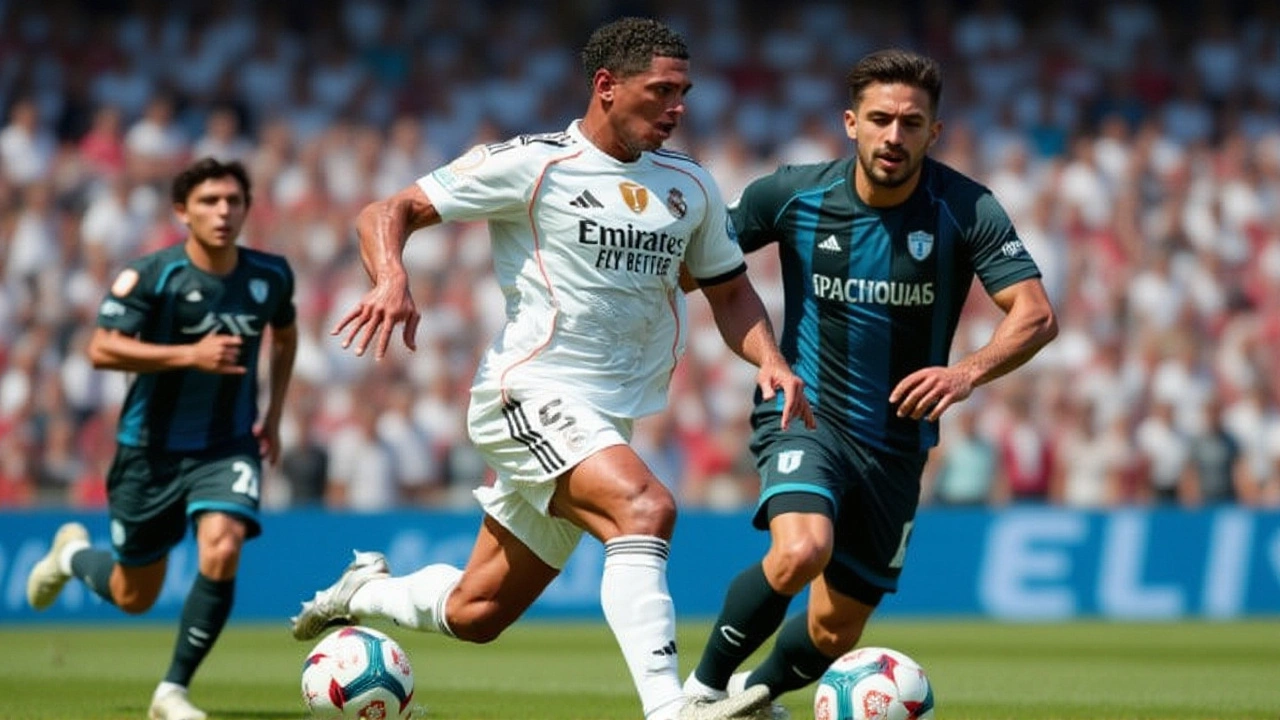
Real Madrid isn’t just a football club. It’s a global brand, a symbol of excellence, a place where legends are born. But legends don’t stay if they feel discarded. Vinicius, born in São Gonçalo, Brazil, joined from CR Flamengo in 2018 for €45 million. He’s grown into one of the world’s most exciting players. But talent alone doesn’t win loyalty. Trust does.Alonso, once a midfield maestro for Real Madrid as a player, now stands accused of alienating the very star he was hired to guide. And Pérez? He’s caught in the middle of a generational shift — where players no longer accept silence as leadership.
This isn’t just about a contract. It’s about identity. About who gets to define what Real Madrid stands for today.
Frequently Asked Questions
Why is Vinicius Junior’s contract so critical right now?
Vinicius’s current deal expires June 30, 2027, but his market value is at its peak. With his speed, dribbling, and goal threat, he’s one of the few players who can carry Real Madrid in big games. If he leaves without a transfer fee — as a free agent in 2027 — the club loses not just a star, but €150 million+ in potential revenue from sales, endorsements, and ticket sales. His contract renewal was considered a formality — until now.
What’s Xabi Alonso’s coaching style, and why is it clashing with Vinicius?
Alonso favors structured possession and disciplined positional play, often asking wingers to track back and cut inside. Vinicius thrives on freedom — cutting from the left flank, driving at defenders, and creating chaos. The two styles are fundamentally at odds. Alonso sees Vinicius as unpredictable; Vinicius sees Alonso as restrictive. The benchings in two Champions League matches were the final straw.
Could Real Madrid survive without Vinicius Junior?
Technically, yes — but it would be a long-term disaster. Vinicius is one of only three players who consistently creates chances out of nothing. Replacing him would cost upwards of €100 million, and no current target matches his combination of pace, flair, and finishing. Without him, Real Madrid risks becoming predictable — and less entertaining — at a time when fan engagement is already under pressure.
What role does Florentino Pérez play in this conflict?
Pérez is the ultimate arbiter. He hired Alonso, approved Vinicius’s signing, and controls all contracts. But he’s also a pragmatist who values stability. His dual ultimatums suggest he’s trying to force a resolution without fully committing — a risky move. If he sides with Alonso, he risks losing his biggest draw. If he sides with Vinicius, he undermines his own managerial authority.
Is this a sign of bigger problems in modern football?
Absolutely. Players today are more informed, more vocal, and less willing to accept top-down authority. Vinicius isn’t alone — stars like Mbappé and Haaland have pushed for similar control over their environments. This clash reflects a shift: clubs can no longer treat players as assets. They’re partners. And if the partnership breaks, the whole structure can collapse.
What’s the timeline for resolution?
The emergency meeting on November 26 will set the tone. If Alonso is fired before December 15, Vinicius may sign a new deal by mid-January. If Alonso stays, Vinicius could request a transfer in January 2026 — or simply wait until his contract expires. Experts say January 2026 is the absolute deadline before the rift becomes irreversible, potentially triggering a chain reaction among other stars.


Write a comment