
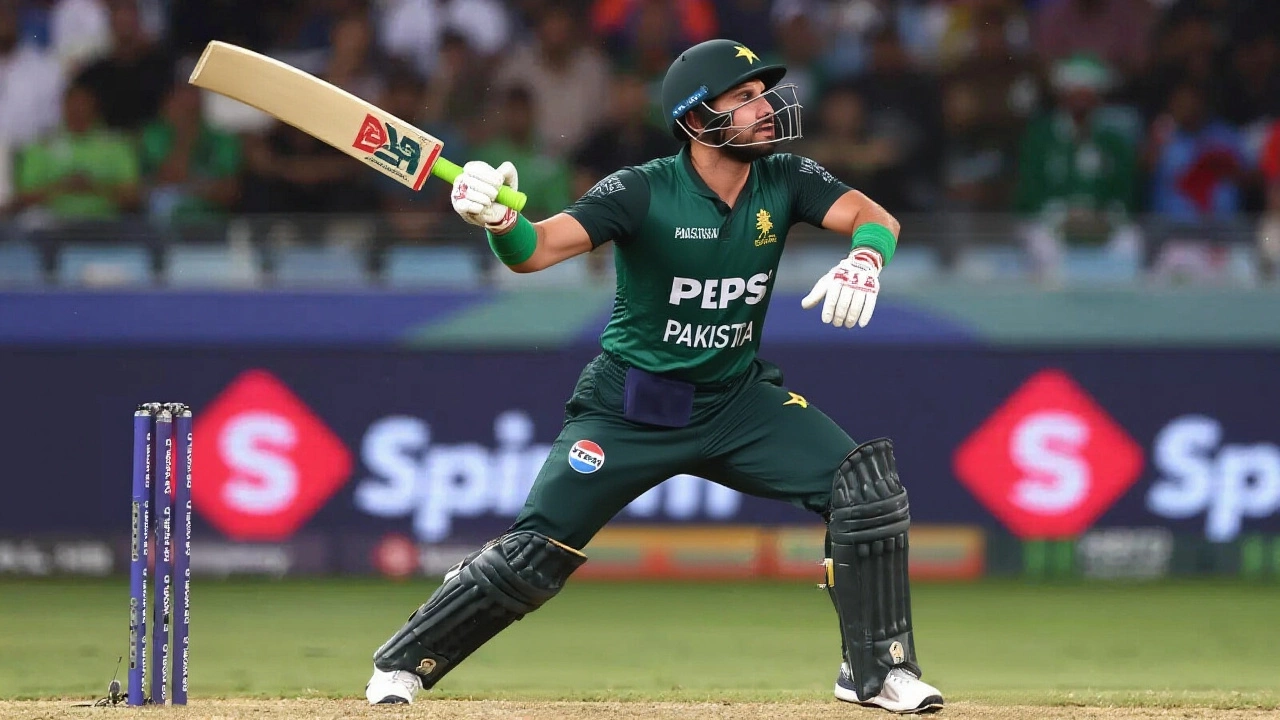
It took 83 innings. 807 days. Nine ducks. And a nation holding its breath. Then, on November 19, 2025, at the Rawalpindi Cricket Stadium, Babar Azam did the unthinkable—he finally scored a century. Unbeaten, 102 off 119 balls, in a chase of 289 against Sri Lanka. The crowd erupted. The scoreboard glowed. And for the first time in over two years, Pakistan’s once-unshakable batting pillar had done what he was expected to do: carry the team.
The Weight of 83 Innings
Before that innings, Babar Azam’s name had become synonymous with near-misses. He’d scored 40s, 50s, even a 97—but never the hundred. Not since August 2023. Not in Tests, not in T20Is, not even in the high-pressure Asia Cup final where Pakistan collapsed from 84-0 to 146 all out against India. The pressure wasn’t just statistical—it was cultural. In Pakistan, where batting legends like Javed Miandad and Inzamam-ul-Haq are worshipped, a captain who can’t convert starts becomes a national anxiety. The numbers were brutal. Nine international ducks in 2025 alone, surpassing Shahid Afridi’s record. A Test average of 24.75 since his last century in December 2022. A T20I strike rate of 112.85 across four matches—low for a modern opener. He wasn’t just out of form; he was out of sync. And the world noticed.A Mirrored Misfortune: Kohli’s Ghost
Here’s the twist: Babar didn’t just break his own drought. He matched one of cricket’s most infamous statistical ghosts—Virat Kohli. In 2017, Kohli went 83 innings without a century. Fans feared he’d lost his edge. Then came the 2018 England tour. Then the 2019 World Cup. Then the 2023 T20 World Cup title. Kohli didn’t just return—he redefined dominance. Now, Babar stands at the same crossroads. Was this just a score? Or the first spark of a comeback? Pakistan’s head coach, Grant Bradburn, didn’t gush. He warned. "He’s in the kind of form where those starts will soon start converting. The more he worries about converting them, the less likely it’ll happen. For us, it’s more about focusing on batting well, getting into good positions, making the right decisions—and the big runs will come." That’s the real story. Babar’s century wasn’t about redemption. It was about release.The Road Back: From Duck to Century
The turnaround didn’t happen overnight. It started on November 8, 2025, at Iqbal Stadium, Faisalabad, during the ODI series against South Africa. Azam, now past 15,000 international runs—only the fifth Pakistani to reach that mark—scored a gritty 68 off 47 balls. His first fifty in 18 months. Then came the T20I match against Zimbabwe on November 17, where he was trapped leg-before by Brad Evans for a duck. His ninth. The record-breaking one. The crowd groaned. The media sighed. But within 48 hours, he was back on the field. Training. Watching footage. Talking to batting coach Mohammad Hafeez. And on November 19, with the pressure of a nation’s expectations on his shoulders, he didn’t try to force it. He played. Calm. Controlled. Patient. He rotated strike. He punished the bad ball. He left the rest. And when he reached three figures, he didn’t raise his bat—he just nodded, as if to say: "I knew I could."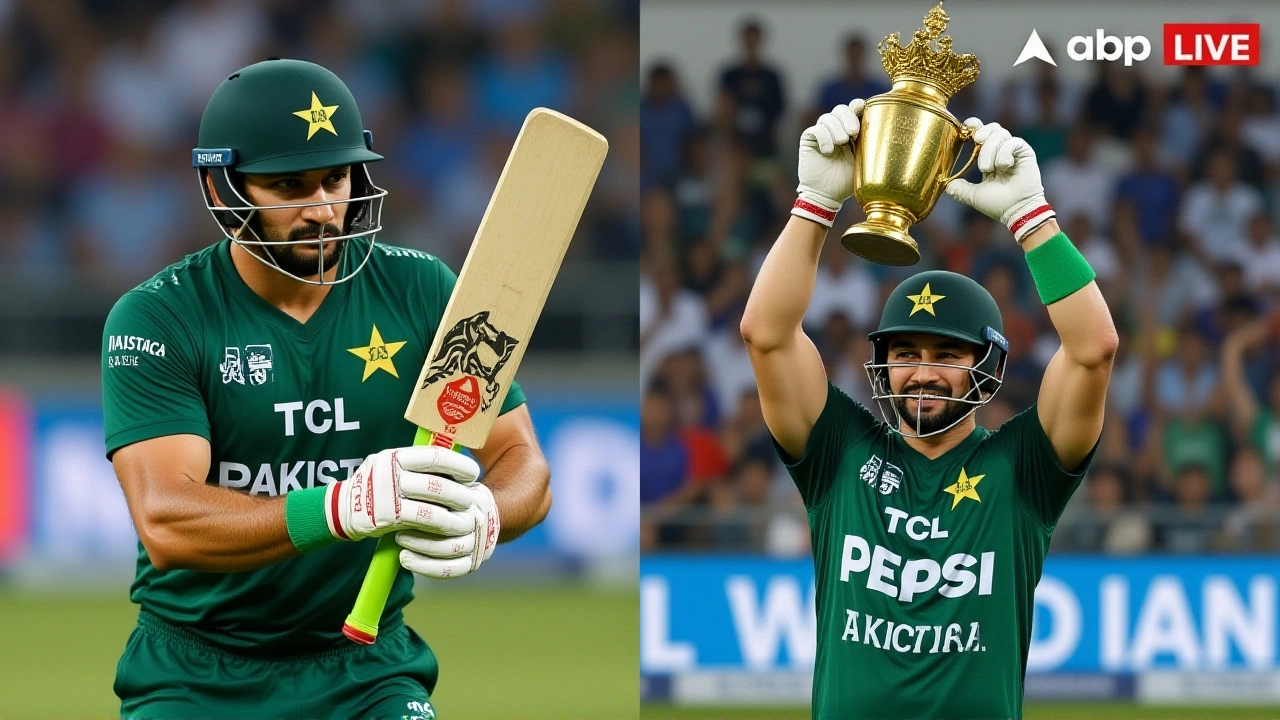
Team in Crisis, Captain Reborn?
Pakistan’s struggles aren’t just Babar’s. They’re systemic. Group-stage exits at the 2024 T20 World Cup and the 2025 Champions Trophy. A batting lineup that folds under pressure. A captaincy transition from Babar to Salman Ali Agha that didn’t bring stability. Even Fakhar Zaman, who returned to the T20I side with a fiery 44 off 32 against Zimbabwe, hasn’t found consistency. Yet, the Rawalpindi innings changed the narrative. Suddenly, Pakistan’s upcoming T20 World Cup campaign doesn’t feel like a funeral march. It feels like a reset. Babar’s century didn’t just equal Saeed Anwar’s record of 20 ODI hundreds—it gave Pakistan hope. Hope that their captain, their talisman, their anchor, hasn’t been lost.What’s Next?
The Tri-Series continues. Zimbabwe is next. Then, the real test: the 2026 T20 World Cup in the West Indies. Pakistan’s coaching staff, now visibly more relaxed, have already begun adjusting the batting order. Babar may open again. Or move to No. 3. Either way, his confidence is back. And that’s more valuable than any scorecard. Behind the scenes at Rawalpindi Cricket Stadium, training sessions have intensified. Shaheen Shah Afridi and Naseem Shah are working on yorkers. Mohammad Nawaz and Abrar Ahmed are refining their variations. But the most important drill? Babar Azam facing 100 balls a day—no pressure, no crowd, no cameras. Just him, the pitch, and the silence before the shot.Frequently Asked Questions
How significant is Babar Azam’s 83-inning century drought in cricket history?
Only three batsmen in ODI history have gone 80+ innings without a century: Babar Azam, Virat Kohli, and England’s Michael Vaughan. Kohli’s drought ended with two ICC titles; Vaughan’s led to his retirement. Babar’s outcome remains uncertain, but matching Kohli’s exact number of innings makes this one of the most statistically eerie comebacks in modern cricket.
Why did Babar Azam’s duck record matter so much?
Surpassing Shahid Afridi’s record of eight international ducks was a psychological blow. In Pakistan, where consistency is revered, frequent dismissals—especially low scores—trigger public doubt. Nine ducks in a single year, including three in the last six matches, made him a target for criticism. Breaking that streak with a century was as much about mental resilience as technical correction.
What does this mean for Pakistan’s T20 World Cup chances?
Pakistan’s batting depth remains thin, but Babar’s return to form transforms them from underdogs to contenders. His ability to anchor innings under pressure gives the middle order—Saim Ayub, Mohammad Rizwan, Salman Agha—freedom to play aggressively. Without him, they were a one-man team; with him, they’re a unit.
How does Babar’s ODI century compare to his Test struggles?
His Test average of 24.75 since December 2022 is his biggest concern. Unlike ODIs, where power-hitting can mask inconsistency, Test cricket demands patience and technique. His century in ODIs doesn’t fix his Test form—but it signals he’s regaining focus. If he can carry that calm into Test matches, Pakistan’s top order could stabilize for the first time in years.
Who else reached milestones alongside Babar Azam in this series?
Alongside Babar’s 15,000 international runs, Saim Ayub scored 77 off 70 balls against South Africa, his first ODI half-century since 2023. Mohammad Rizwan also passed 8,000 ODI runs in the same match. Abrar Ahmed’s 4/27 against South Africa was his best ODI bowling figures. These performances suggest Pakistan’s next generation is emerging—even as their captain reclaims his crown.
What’s the long-term impact of this innings on Babar Azam’s legacy?
This century doesn’t make him a legend. But it saves his legacy. Had he retired without a century in over two years, he’d be remembered for his decline. Now, he’s remembered for his resilience. If he leads Pakistan to a World Cup final, he’ll be spoken of alongside Javed Miandad—not as a faded star, but as a warrior who came back from the edge.




Write a comment