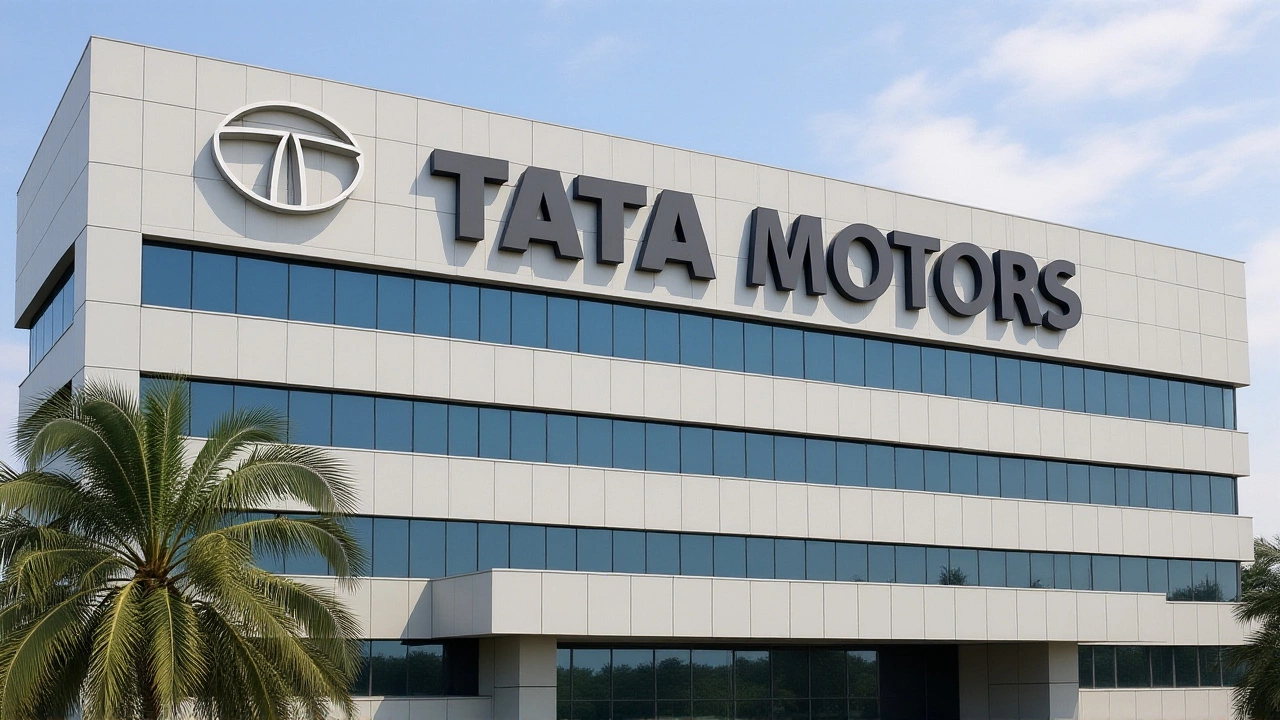
Tata Motors Starts Demerger on Oct 1: Shares Rise and EV Plans Accelerate
Tata Motors began its demerger on Oct 1 2025, splitting into commercial and passenger vehicle firms. Shares rose, EV investments surge, and new leadership takes charge.
Ever wondered why a big company suddenly breaks into two smaller ones? That's a demerger. In plain terms, a demerger is when a parent company separates part of its business into an independent entity. The new entity gets its own management, brand, and usually its own stock ticker. This move can create clearer focus for both sides, unlock hidden value, and give shareholders a chance to own shares in two distinct businesses.
There are several practical reasons. First, the different units might serve very different markets – think a tech firm that also runs a heavy‑equipment division. Splitting lets each business pursue its own strategy without being held back. Second, a demerger can make the financials easier to read, which often boosts investor confidence and can raise the market value of both parts. Third, regulators sometimes push for splits to avoid monopolistic control. Finally, management teams may simply want more autonomy to innovate and grow faster.
The process starts with a strategic review by the board. They decide which assets, liabilities, and staff will move to the new company. Legal and tax advisors draft the separation plan, and shareholders are usually asked to approve it in a special meeting. Once approved, the parent company files the necessary paperwork with stock exchanges and regulators. On the split day, the new company begins trading under its own ticker, and existing shareholders receive shares in the new entity, often on a pro‑rata basis.
While the paperwork sounds heavy, the day‑to‑day impact on employees can be minimal. People may stay in the same office, keep their jobs, and just report to a different boss. However, cultural shifts can happen as each side develops its own identity. For investors, the key is to watch how the market values the two pieces. If the combined market cap after the split is higher than before, the demerger likely unlocked value.
Real‑world examples help illustrate the point. In 2014, eBay spun off PayPal, letting the payment platform focus on digital wallets while eBay kept its marketplace. Both companies have grown stronger since the split. Another case is the 2020 demerger of Siemens Energy from Siemens AG, which allowed the energy business to pursue clean‑tech projects independently.
If you're considering investing in a company that’s planning a demerger, ask a few simple questions: Does the split create clearer business focus? Are the financials of the new entities transparent? How will the management teams be compensated? And most importantly, does the market seem to believe the move adds value?
In short, a demerger is a strategic tool that can benefit companies, shareholders, and sometimes employees. It’s not a magic fix, but when done for the right reasons, it can lead to sharper strategies, better capital allocation, and a healthier market outlook for both the parent and the newly formed company.
Tata Motors began its demerger on Oct 1 2025, splitting into commercial and passenger vehicle firms. Shares rose, EV investments surge, and new leadership takes charge.