Afghanistan Upset Bangladesh in Abu Dhabi ODI – How to Watch Live
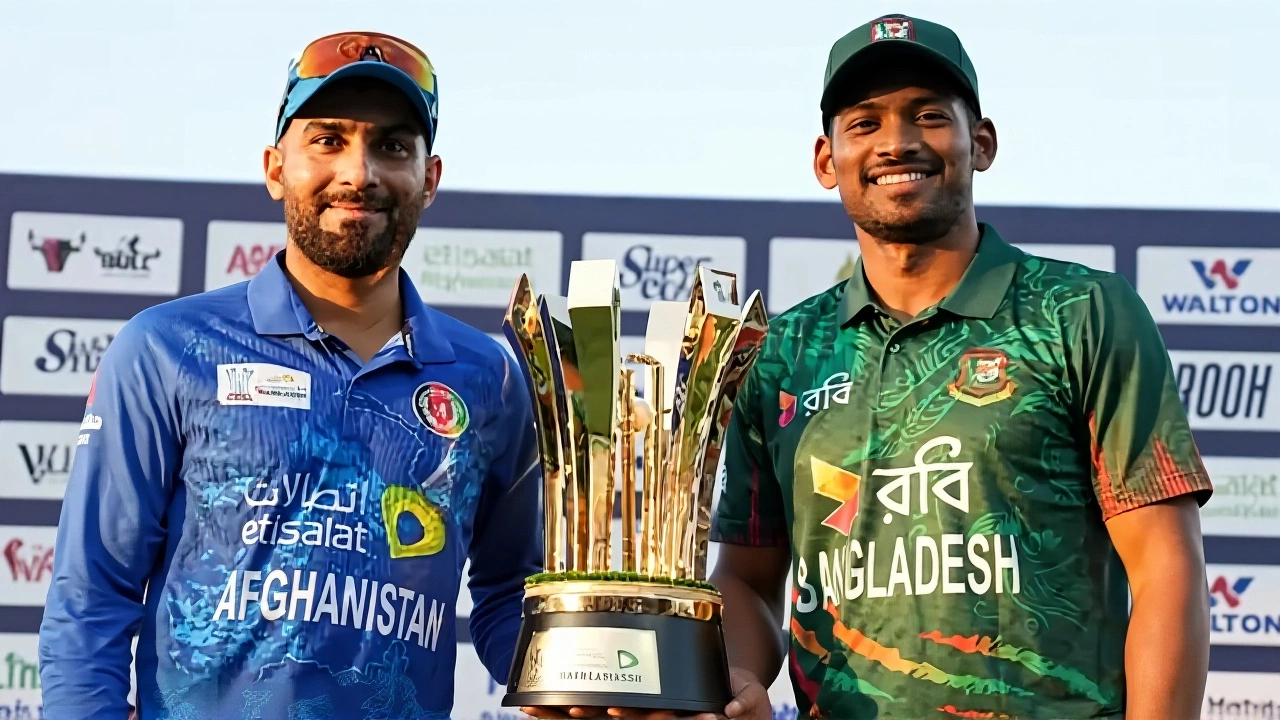
Afghanistan clinched a 5‑wicket win over Bangladesh in the opening ODI at Abu Dhabi's Sheikh Zayed Stadium, with live streams available on FanCode (India) and regional broadcasters.
When talking about Afghanistan, a landlocked nation at the crossroads of South and Central Asia, known for its rugged mountains and complex tribal fabric. Also known as Islamic Republic of Afghanistan, it has become a hub for regional power shifts, humanitarian challenges, and cultural endurance.
The country’s western border touches Iran, a major player in Middle‑East politics whose economic and cultural links with Afghanistan date back centuries. To the east, the United States United States, a global superpower whose military presence and aid programs have shaped Afghanistan’s recent history has carried out two decades of involvement, from counter‑terrorism to nation‑building. Inside the country, the Taliban, an Islamist movement that regained control in 2021 and now governs the political landscape influences everything from education policy to foreign investment. These three entities intersect in ways that affect security, trade routes, and refugee flows across the broader Middle East region.
Understanding Afghanistan means looking at its 2021 political transition, the ongoing humanitarian crisis, and the ripple effects on neighboring states. The country’s economy relies heavily on agriculture, mineral extraction, and remittances from diaspora communities, while sanctions and limited recognition create hurdles for international trade. Afghan media outlets report on everything from Kabul’s winter power cuts to the resurgence of local art scenes, showing a society that keeps moving despite external pressures. Scholars and analysts keep an eye on how Tehran’s diplomatic outreach, Washington’s policy shifts, and the Taliban’s governance style shape regional stability. By connecting these dots, readers can grasp why headlines about border security, aid packages, or cultural festivals all trace back to Afghanistan’s central role in a volatile neighborhood.
Below you’ll find a curated set of posts that dive deeper into Afghanistan’s geopolitics, its ties with Iran and the United States, and the real‑world impact of the Taliban’s rule. Each article adds a piece to the puzzle, giving you a clearer picture of what’s really happening on the ground.
Afghanistan clinched a 5‑wicket win over Bangladesh in the opening ODI at Abu Dhabi's Sheikh Zayed Stadium, with live streams available on FanCode (India) and regional broadcasters.