Film History: Early Silent Stars and Chaplin's Rivals
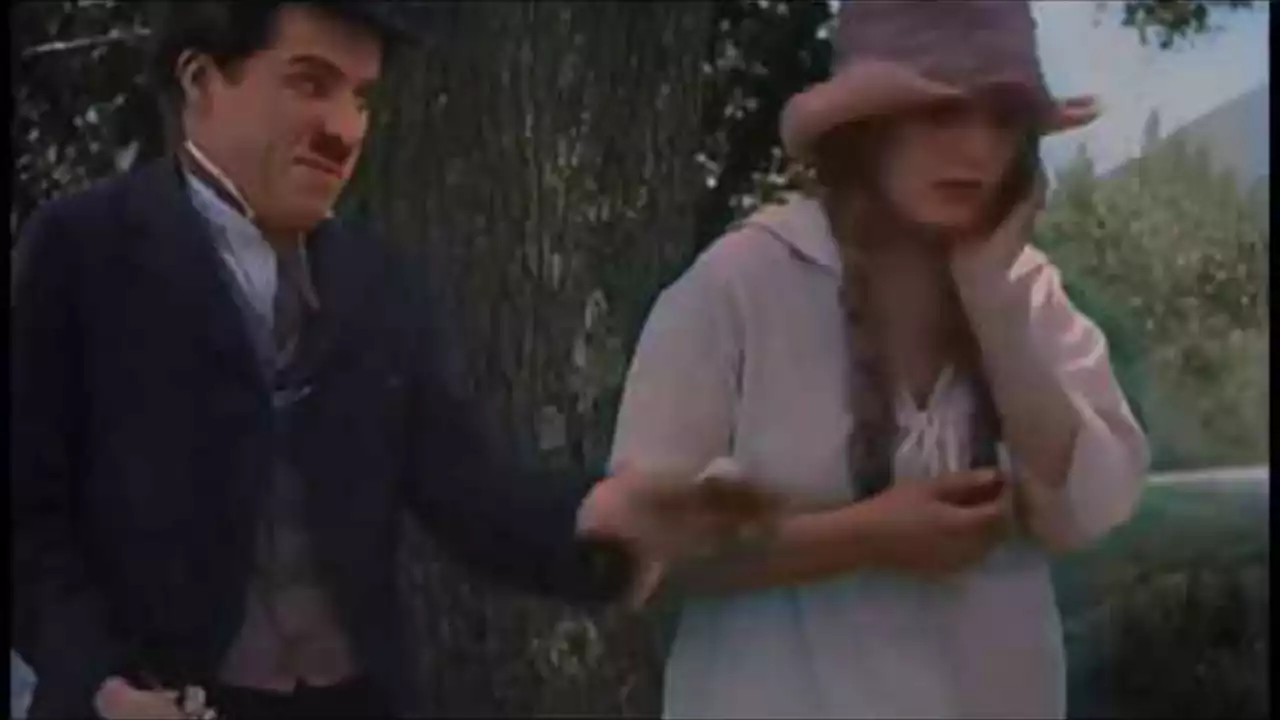
Silent films can feel surprisingly modern once you know what to look for. This Film History page highlights the performers and ideas that shaped early cinema — not just Chaplin, but the competitors who pushed comedy, stunts, and storytelling forward.
Who challenged Chaplin?
Charlie Chaplin was iconic, but he shared the spotlight with several strong rivals. Buster Keaton brought a deadpan face and insane physical timing; his stunts and precise framing turned danger into poetry on screen. Harold Lloyd created the “everyman” hero — the glasses-wearing guy who climbed towers and outran disaster with hair-raising stunts and steady charm. Roscoe “Fatty” Arbuckle led huge ensembles and influenced comic timing before scandal interrupted his career; his work still shows how sight gags and group dynamics can drive laughs. Mabel Normand was a major comedienne and director whose energy and control of pace shaped early screen comedy, especially in short films. These artists weren’t just copying each other — they each had a clear point of view on what cinema could do.
Studios and short films also powered those rivalries. Producers like Mack Sennett and studios such as Keystone churned out slapstick shorts that allowed performers to experiment. That constant output forced actors to refine signature moves and gags, and audiences rewarded originality. Competition pushed everyone to take bigger risks and invent new camera tricks and editing rhythms.
Why this era still matters
The silent era taught filmmakers how to tell a story visually. No dialogue meant every gesture, prop, and camera movement carried meaning. Watch a Keaton stunt or a Chaplin close-up and you’ll see how economy of expression creates emotion and comedy without a single line of speech. Modern directors still borrow that lesson when they aim for clarity and visual surprise.
If you want to explore this history yourself, start with a few accessible films: Chaplin’s short comedies and feature work like The Kid, Keaton’s The General and Sherlock Jr., Lloyd’s Safety Last!, and some surviving Arbuckle shorts. Watch with the sound off for a few minutes to force focus on movement and staging — you’ll spot choices modern films hide behind dialogue.
On this Film History page you’ll find stories about those films, short bios of key players, and notes on how techniques evolved into the sound era. Whether you’re a casual fan or a budding filmmaker, learning these origins gives you a sharper eye for craft and a deeper appreciation for how much of today’s cinema grew from those early experiments.
Want recommendations or a quick primer on one of these stars? Pick a name and we’ll unpack their best work and what to watch first.