

Violence has erupted in Sindh province, Pakistan, leaving at least two protesters dead and dozens injured after demonstrators stormed the residence of a senior government minister. The chaos stems from a bitter dispute over water rights, specifically a controversial federal plan to build six canals on the Indus River to irrigate the arid Cholistan desert. What started as political friction between provincial and federal leaders has quickly spiraled into deadly street clashes, exposing deep fractures within Pakistan’s political fabric.
The target of the anger was clear: Zia-ul-Hasan Lanjar, Home Minister of Sindh. Protesters set fire to his home in Moro, located in the Naushahro Feroze district, burning household items and two nearby trailers. This isn't just property damage; it's a direct challenge to authority in one of Pakistan’s most volatile regions. The incident marks a sharp escalation in tensions that have been simmering for weeks, fueled by fears among local communities that their water access is being sacrificed for distant agricultural projects.
The Water War: Federal Ambitions vs. Provincial Reality
At the heart of this unrest is a clash of visions for Pakistan’s future. On one side stands the federal government, led by Prime Minister Shehbaz Sharif, which views the six-canal project as essential for national food security. By turning the Cholistan desert green, Islamabad hopes to boost agricultural output and reduce reliance on imports. It’s a bold move, but one that ignores the immediate concerns of those living downstream.
On the other side is the Pakistan Peoples Party (PPP)-led Sindh provincial government. They argue that diverting more water from the Indus will cripple existing irrigation systems in Sindh, devastating farmers who already struggle with scarcity. "This isn't about development; it's about displacement," said one local activist, echoing sentiments heard across the province. The PPP sees the project as an overreach by Islamabad, disregarding provincial autonomy and environmental sustainability.
The irony? Both sides claim to act in the nation’s best interest. But when resources are scarce, compromise becomes nearly impossible. And now, blood has been spilled on the streets of Moro.
Blood on the Streets: A Timeline of Escalation
The violence didn’t happen overnight. For weeks, protests had grown larger and more aggressive. According to reports from Dawn, clashes began intensifying last Tuesday in Moro. That day alone, one protester died during confrontations with police. By the time the dust settled, the death toll had risen to two, with more than a dozen people injured—including seven police officers, among them a Deputy Superintendent of Police (DSP).
Here’s how things unfolded:
- Weeks prior: Growing opposition to the six-canal project leads to small-scale demonstrations.
- Last Tuesday: Clashes erupt in Moro, resulting in one fatality.
- Subsequent days: Protesters attack Zia-ul-Hasan Lanjar’s home, setting it ablaze.
- Current status: At least two dead, dozens injured, and widespread fear of further retaliation.
What makes this particularly alarming is the speed at which peaceful protest turned violent. One moment, citizens were holding signs; the next, they were wielding torches. It’s a pattern we’ve seen before in resource disputes worldwide—but never quite like this.

Chinese Security Presence Adds Another Layer
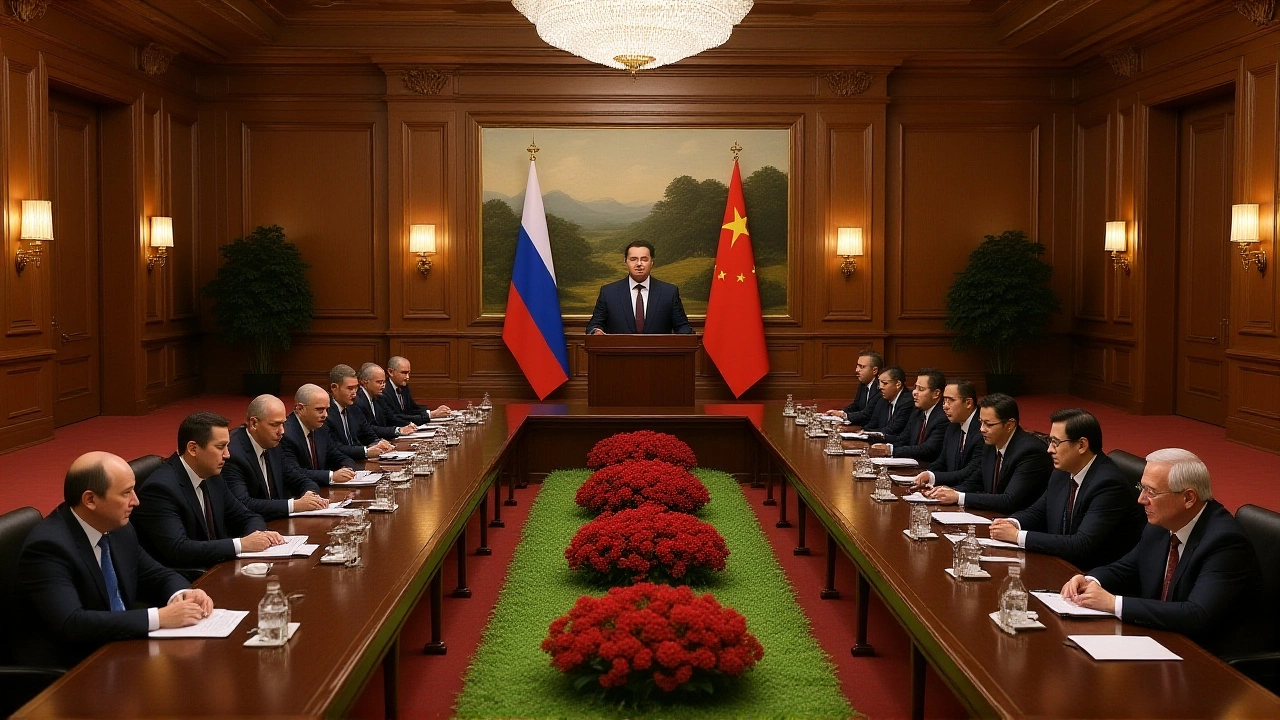
If water wasn’t enough to destabilize Sindh, add China into the mix. Recent reports indicate that Chinese private security firms entered the province under an agreement signed in March. Their mission? Protect Chinese nationals amid rising anti-government sentiment. While framed as routine protection measures, locals view it differently—as foreign interference in domestic affairs.
“Why do we need foreign guards here?” asked Mir Yar Baloch, a prominent activist concerned about growing Chinese influence in Baluchistan and beyond. His words reflect broader anxieties about sovereignty and control. With CPEC projects advancing rapidly, many worry that economic partnerships are coming at the cost of political independence.
For India, too, this development raises eyebrows. A strengthened Chinese presence near its border could complicate regional dynamics further. Yet, despite these geopolitical implications, ordinary Sindhis care less about international relations and more about putting food on the table—or keeping their homes intact.
Broader Implications: Can Pakistan Hold Together?
This crisis isn’t isolated. From Baluchistan’s separatist movements to Karachi’s gang wars, Pakistan faces multiple fronts of instability. Now, Sindh joins the list. If unresolved, the canal dispute could inspire similar uprisings elsewhere, threatening national cohesion.
Experts warn that ignoring grassroots grievances only fuels extremism. “When people feel unheard, they take matters into their own hands,” noted Dr. Fatima Khan, a political analyst based in Lahore. Her assessment aligns with historical precedents—from Bangladesh’s liberation movement to Syria’s civil war—where neglect bred rebellion.
So what’s next? Will Islamabad back down? Or will it double down, risking even greater unrest? Only time will tell. But one thing is certain: without dialogue, there can be no peace.
Frequently Asked Questions
Who is Zia-ul-Hasan Lanjar?
Zia-ul-Hasan Lanjar serves as the Home Minister of Sindh province in Pakistan. He became a focal point of recent protests due to his role in enforcing federal policies opposed by locals, including the controversial six-canal project aimed at irrigating the Cholistan desert.
What caused the protests in Sindh?
Protests erupted over a federal proposal to construct six canals on the Indus River to irrigate the Cholistan desert. Locals fear this will deprive them of vital water supplies needed for agriculture, exacerbating existing shortages and harming livelihoods.
How many people were killed or injured?
At least two protesters were killed, and more than a dozen individuals were injured, including seven police officers—one of whom was a Deputy Superintendent of Police (DSP). The exact number remains unclear as investigations continue.
Is China involved in the conflict?
While not directly involved in the water dispute, Chinese private security personnel have been deployed in Sindh since March to protect Chinese nationals amid rising tensions. This has heightened concerns about foreign intervention in internal matters.
What does this mean for Pakistan’s stability?
The unrest highlights deeper issues of governance and resource allocation. If left unaddressed, such conflicts could inspire similar uprisings nationwide, undermining efforts to maintain unity and progress toward sustainable development goals.






Write a comment