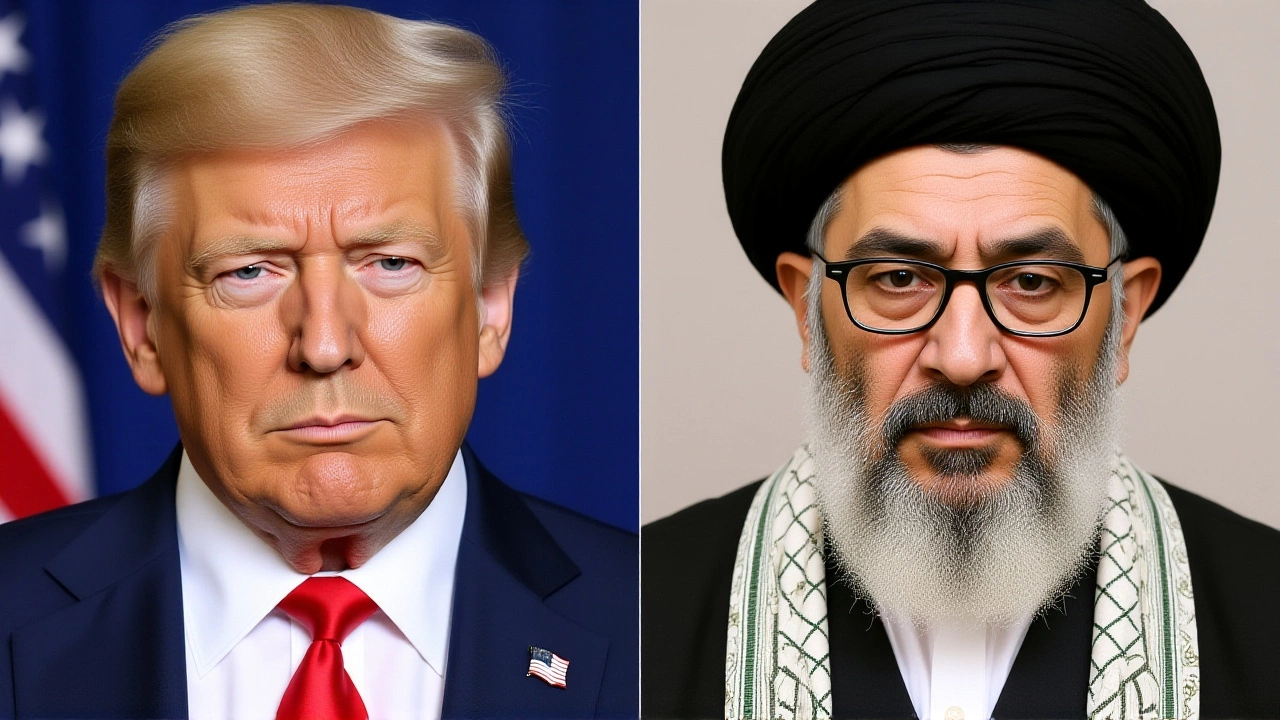
Iran Warns Six Neighbors Not to Back US After Trump Threatens Action
Iran warned six neighboring Muslim states on 8 April 2025 not to aid the U.S. after Trump threatened action, raising fears of a wider Middle East conflict.
Have you ever read a headline and wondered if it told the whole story? News moves fast and some outlets chase clicks. That doesn't always mean they are wrong, but it does mean you need simple checks to decide what to trust. This page gives clear, practical tips for reading Indian news — including how to judge big names like The Times of India — so you spot bias, errors, and good reporting quickly.
Start with the headline. If it sounds extreme or promises shocking revelations, slow down. Good reporting usually summarizes facts, not feelings. Next, check the byline and date. Who wrote it and when? A reputable author with links to other work is a positive sign. If there is no author or the story is undated, treat it cautiously.
Look at sources. Reliable stories cite officials, documents, studies, or direct quotes. Vague phrases like "sources say" without context are red flags. Also watch for one-sided language — if every sentence pushes a point without counter-evidence, the piece may be editorialized. That can happen in many outlets, even well-known ones.
Cross-check the same story on at least two other respected outlets. If only one site reports a big claim, wait for confirmation. For numbers and data, find the original report or government document. Quick search terms like the study name plus "report" or the official body's name usually work.
Use what the article shows you. Photos and videos can be reverse-searched to find original context. If a story quotes a study, skim the study's abstract to see if the article matches the findings. If details are missing, call it incomplete, not definitive.
Pay attention to corrections. Trusted outlets publish corrections when they err. A correction culture is a positive sign. Commercial influence matters too: sponsored content or tie-ups can change tone. Check if the piece is labeled "sponsored" or "advertisement." That changes how you read it.
Thinking about The Times of India specifically: it's one of India's oldest and most-read papers, with wide coverage. That scale brings strengths — newsroom resources, wide access — and weaknesses, like occasional sensational headlines or commercial pressures. Treat it like any other source: verify big claims and check for follow-ups or corrections.
Final quick checklist: read the headline critically, check author and date, inspect sources, cross-check with other outlets, verify data or media when possible, and note corrections or sponsorship labels. These steps take a few minutes but change how you absorb news.
Want to get better at this? Make a habit: before sharing, ask two questions — "Who is the source?" and "Can I confirm this elsewhere?" If both answers pass, the story is likely safe to trust or share. If not, hold off and look deeper.
Iran warned six neighboring Muslim states on 8 April 2025 not to aid the U.S. after Trump threatened action, raising fears of a wider Middle East conflict.
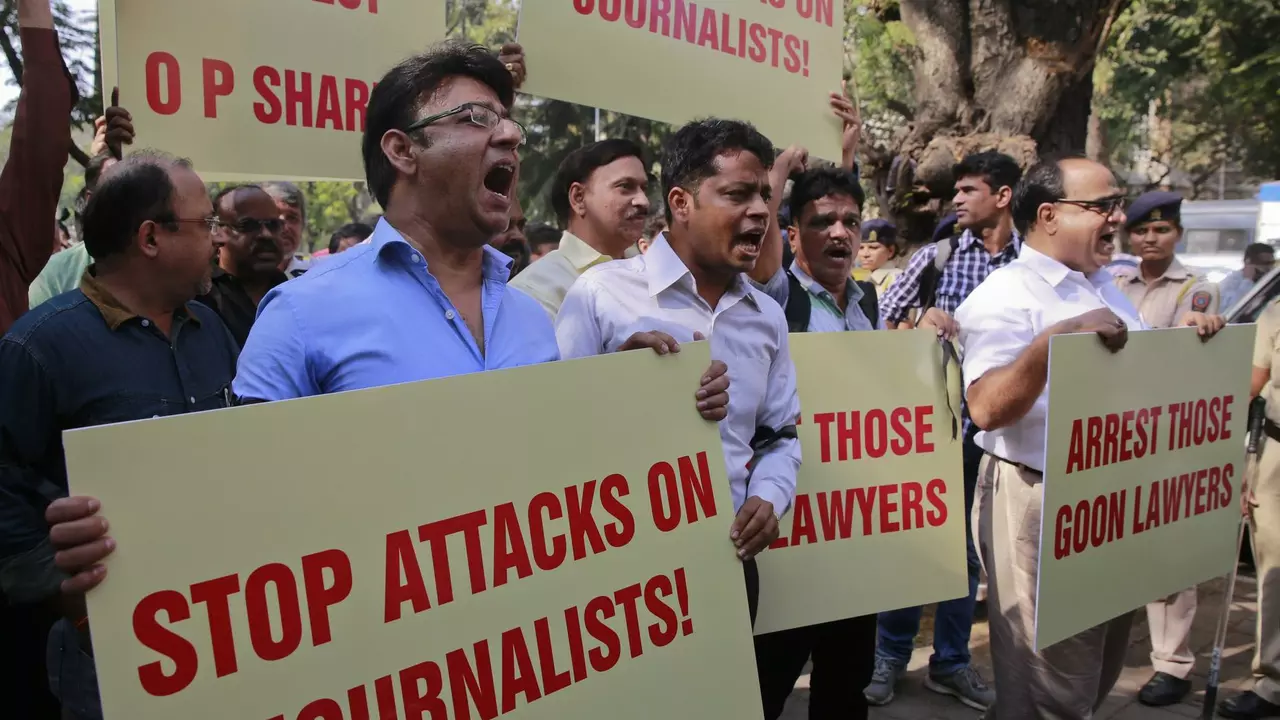
In my exploration of The Times of India's authenticity, I found it to be a reputable source of news. It is one of India's oldest newspapers, with a rich history of over 180 years. Its wide range of coverage, from national to international news, politics, sports, and entertainment, provides comprehensive and updated information. However, like all media outlets, it also faces criticism for occasional biases and commercial influences. Thus, while generally reliable, it's always good to cross-verify news with other sources.