Indian Journalism – Fresh Stories and Practical Tips
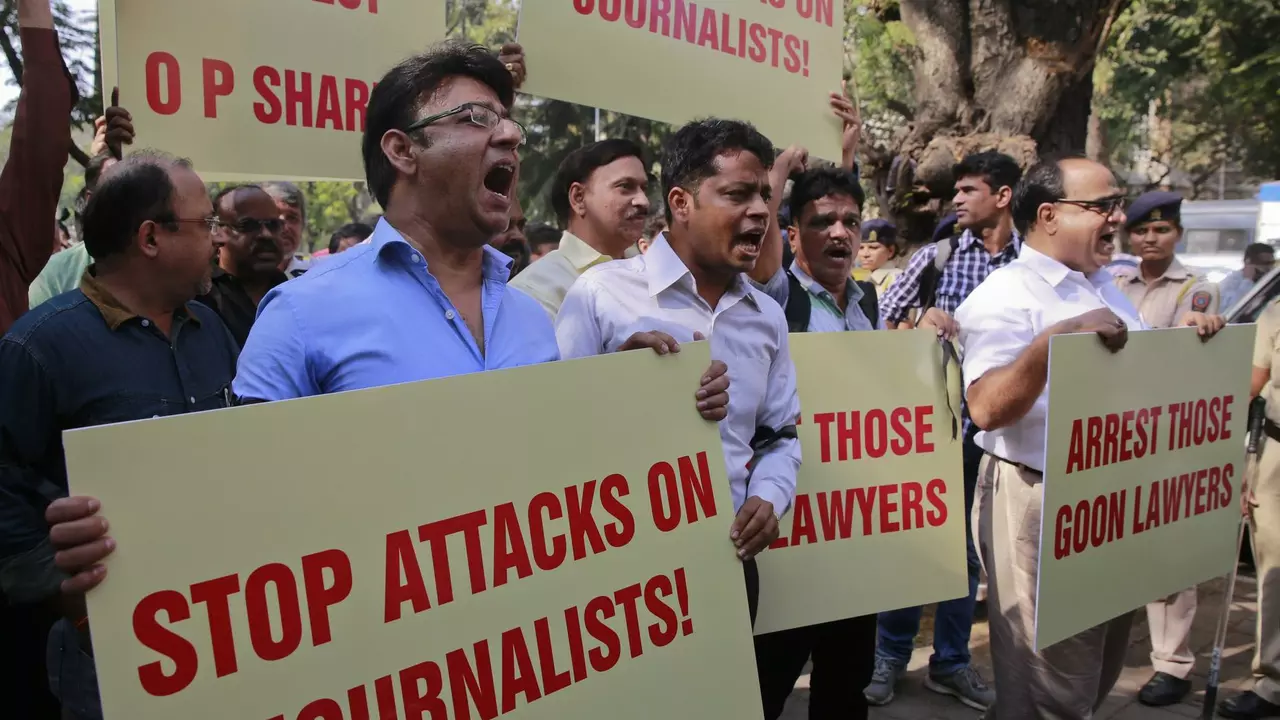
Indian journalism moves fast, from bustling newspaper stands to viral TikTok news bites. If you want to keep up without feeling lost, you need a simple game plan. Start by picking a mix of trusted print outlets, credible online portals, and a few social media accounts that actually fact‑check. This combo gives you the depth of traditional reporting and the speed of digital updates.
Why the Media Landscape Matters
India’s media isn’t just big—it’s incredibly diverse. You’ll find everything from regional language dailies to high‑tech news apps. That diversity means stories get told from many angles, but it also means misinformation can spread quickly. Knowing which sources prioritize verification helps you cut through the noise. Look for outlets that cite sources, provide data, and let you trace the original report.
Practical Ways to Stay Informed
1. Set up news alerts. Use Google Alerts or the RSS feeds of your favorite sites to get headlines straight to your phone.
2. Follow journalist podcasts. A quick 15‑minute episode can break down a complex story while you’re on a commute.
3. Join discussion groups. Communities on Telegram or Discord often share fact‑checked snippets and explain jargon that mainstream articles skip.
4. Read beyond the headline. Most articles have a “read more” link that dives into background, context, and expert opinions. Skipping it leaves you with half the picture.
While you’re browsing, you might stumble on pieces that overlap with Indian journalism topics, like the impact of exam pressure in movies or the economics of film festivals. Those stories show how media shapes public conversation, whether it’s about education or entertainment.
Another tip: keep an eye on media watchdogs such as the Press Council of India. Their reports highlight trends, complaints, and reforms that directly affect how news is gathered and delivered. Understanding these moves gives you a backstage pass to the industry’s evolution.
Lastly, don’t be afraid to question what you read. Ask yourself: Who is the author? What evidence backs the claim? Is there a possible bias? A quick mental checklist can filter out sensationalism and keep you grounded in facts.
By mixing reliable sources, using alerts, and staying skeptical, you’ll navigate Indian journalism like a pro. The next time a headline pops up, you’ll know exactly how to verify it, where to find deeper insight, and why it matters in the broader media picture.