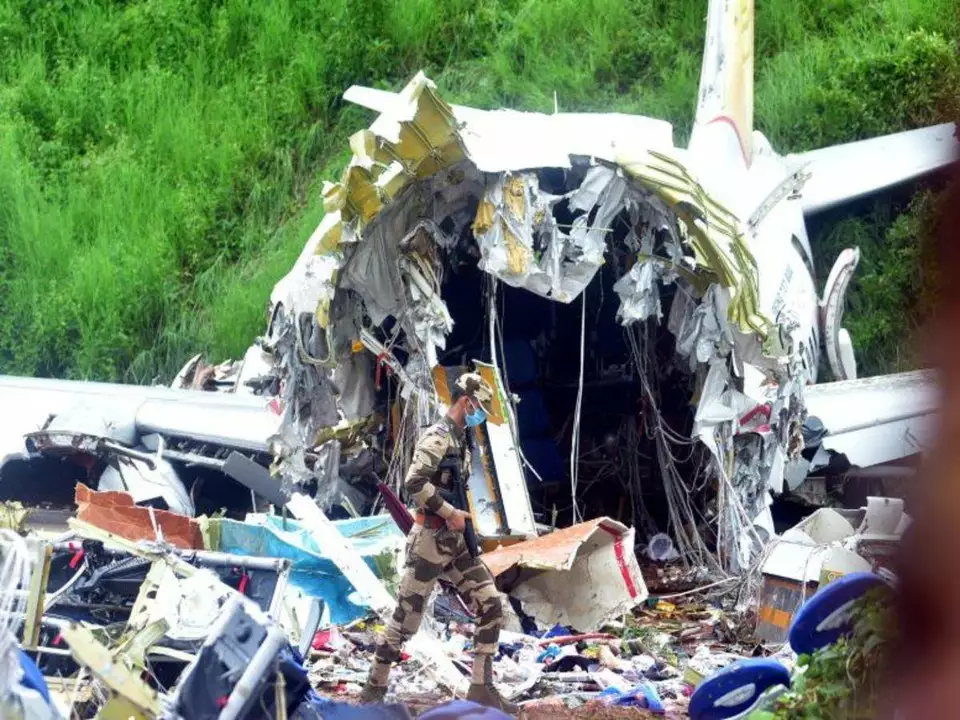
Crash Landing: What Happens and How to Stay Safe
Ever wondered why a plane sometimes lands hard or even crashes? A crash landing is when an aircraft touches down with damage or loss of control, but often the crew keeps it from turning into a full-blown disaster. It’s rare, but when it happens, knowing the basics can calm nerves and maybe even save a life.
Why Crash Landings Occur
Most crash landings start with something going wrong: bad weather, technical failure, or human error. Pilots might face sudden wind shear, a jammed landing gear, or an engine that quits. In many cases, the crew spots the problem early and follows checklists designed to bring the plane down safely. Modern aircraft have multiple backups, so even a serious fault usually has a solution.
Another big factor is runway conditions. A wet or icy strip can make it hard to stop, leading to a hard roll or a runway overrun. Airports track these conditions and publish them, so pilots can plan the right approach speed. When everything lines up—good training, solid equipment, and clear communication—the odds of a safe outcome rise dramatically.
Surviving a Crash Landing
If you ever find yourself on a flight that’s about to crash land, there are a few simple steps you can take. First, listen to the crew. Their instructions are based on the situation and can guide you to the safest spot. Keep your seat belt fastened low on your hips; a snug belt stops you from being tossed around.
When the seat belt sign turns off, adopt the brace position: place your head against the seat in front, and rest your hands on your head or the seat. This helps protect your head and neck. If you’re near an exit, keep the path clear and be ready to move quickly once the doors open.
After the plane stops, stay seated until the captain tells you it’s safe to stand. Some people panic and rush out, but that can cause injuries if the aircraft is still tilted or moving. Once you’re out, move away from the plane, especially if there’s a fuel leak or fire risk.
These tips aren’t just for the sky; they’re similar to what you’d do in a car crash. The goal is to keep your body protected, follow official directions, and get clear of danger fast.
Beyond safety, crash landings have given us some unforgettable movie moments. Think of the intense runway scene in "Airport" where the crew battles a storm, or the dramatic belly‑landing in "Sully" that shows how skillful pilots can turn a near‑disaster into a hero story. Those films often dramatize the chaos, but they also highlight the training and teamwork that keep passengers alive.
Real‑life pilots study those cinematic crashes to learn what works and what doesn’t. The take‑away is clear: preparation and calm make the biggest difference. Whether you’re a frequent flyer or an occasional traveler, knowing the basics of a crash landing can turn fear into confidence.
So next time you buckle up, remember: the odds of a safe flight are high, and even if a crash landing happens, there are clear steps you can follow to stay as safe as possible. Keep these tips in mind, stay aware, and enjoy the journey.