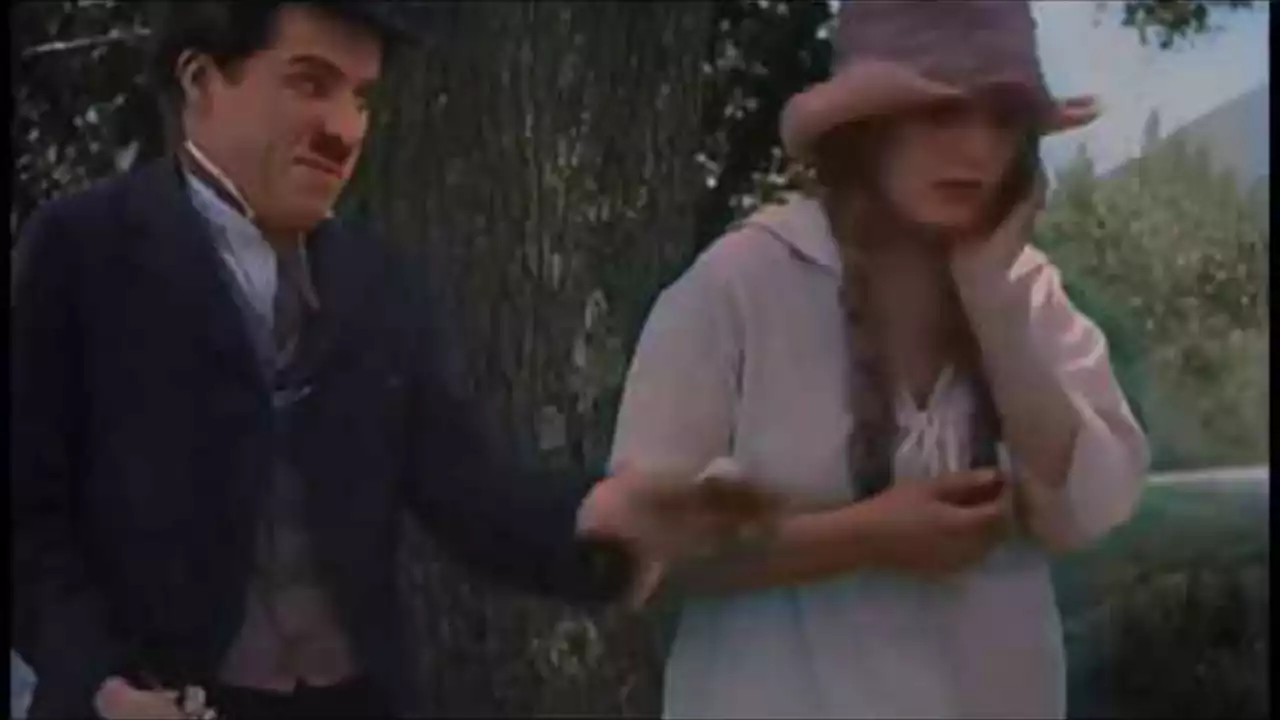
Chaplin: Why Charlie Chaplin Still Matters in Bollywood
When you think of classic comedy, Charlie Chaplin is probably the first name that pops up. The little Tramp with the cane and hat didn’t just entertain the world; he also left a mark on Indian cinema. From silent gestures to slap‑slap humor, Bollywood has borrowed a lot from Chaplin’s playbook. Let’s see how his influence sneaks into today’s movies.
Chaplin’s Style in Indian Films
In the 1930s and 40s, Indian filmmakers watched Chaplin’s reels and tried to copy his timing. Actors like Raj Kapoor grew up mimicking Chaplin’s walk and facial expressions. You’ll notice Kapoor’s character in “Awaara” humming a tune while strolling like the Tramp – that’s a direct nod. Even modern stars use exaggerated body language to get laughs, a technique straight out of Chaplin’s toolbox.
Memorable References in Modern Bollywood
Fast forward to the 2000s, and you still see Chaplin’s fingerprints. In movies like “Munnabhai MBBS,” the goofy professor’s antics echo the Tramp’s clumsy charm. Even the title “Munnabhai” (meaning “little brother”) plays on the underdog image Chaplin loved. Directors often insert a quick silent gag or a hat‑tip scene as an Easter egg for fans who know the legend.
Why does this work? Chaplin’s humor is universal – it relies on visual jokes, not language. India’s many languages make a visual punchline a safe bet. Audiences laugh whether they understand Hindi or Malayalam, just like they laughed at a silent film in 1915.
Another reason is the emotional depth Chaplin added to comedy. He could make you laugh and cry in the same scene. Bollywood loves that blend of drama and humor, so the Chaplin formula fits perfectly. Think of movies where the hero’s love story is mixed with goofy side‑characters – that’s Chaplin’s spirit.
If you’re curious to spot Chaplin’s influence, watch for three things: a hat and cane as a prop, waddling walks, and heart‑warming moments that tug at your feelings. You’ll find them in everything from classic black‑and‑white films to today’s big‑budget releases.
Filmmakers also pay tribute in behind‑the‑scenes ways. Some dress up their set designers in trench coats and mustaches for a “Chaplin day.” Others use his famous music score in promotional teasers. These nods keep his legacy alive for new generations.
So next time you sit down for a Bollywood movie, keep an eye out for that little Tramp vibe. Whether it’s a goofy sidekick or a hero who wins by kindness, Chaplin’s DNA is still walking the red carpet of Indian cinema.